Foreclosures Near Me: Your Guide To Understanding, Finding, And Evaluating Properties

Navigating the World of Distressed Real Estate
If you have ever found yourself late at night scrolling through real estate apps and typing the phrase “foreclosures near me” into a search bar, you are certainly not alone. The allure of the foreclosure market is undeniable. For many, it represents a golden opportunity to break into homeownership at a lower price point or for seasoned investors to flip a property for a significant profit. However, while the rewards can be high, the world of foreclosed properties is fraught with complexities that a standard home purchase simply does not have. In this guide, we will break down exactly what a foreclosure is, how to find them in your local area, and how to evaluate a property to ensure your dream deal doesn’t turn into a financial nightmare.
What Exactly is a Foreclosure?






Before you go out hunting for deals, it is vital to understand the legal mechanism at play. A foreclosure occurs when a homeowner fails to make their mortgage payments, leading the lender (usually a bank) to seize the property to recover the remaining balance of the loan. This isn’t an overnight process; it involves several distinct stages, and knowing where a property stands in this cycle can drastically change your buying strategy.
1. Pre-Foreclosure
The owner has defaulted on payments, but the bank hasn’t sold the house yet. Often, owners in this stage are desperate to sell through a “short sale” to avoid a permanent mark on their credit score. This is often the best time for buyers to negotiate directly with the seller.
2. The Auction Phase
If the debt isn’t settled, the property goes to a public auction, often held at a local courthouse. Buyers usually need to pay in cash, and you often cannot inspect the interior of the home before bidding. It is the “Wild West” of real estate.
3. Real Estate Owned (REO)
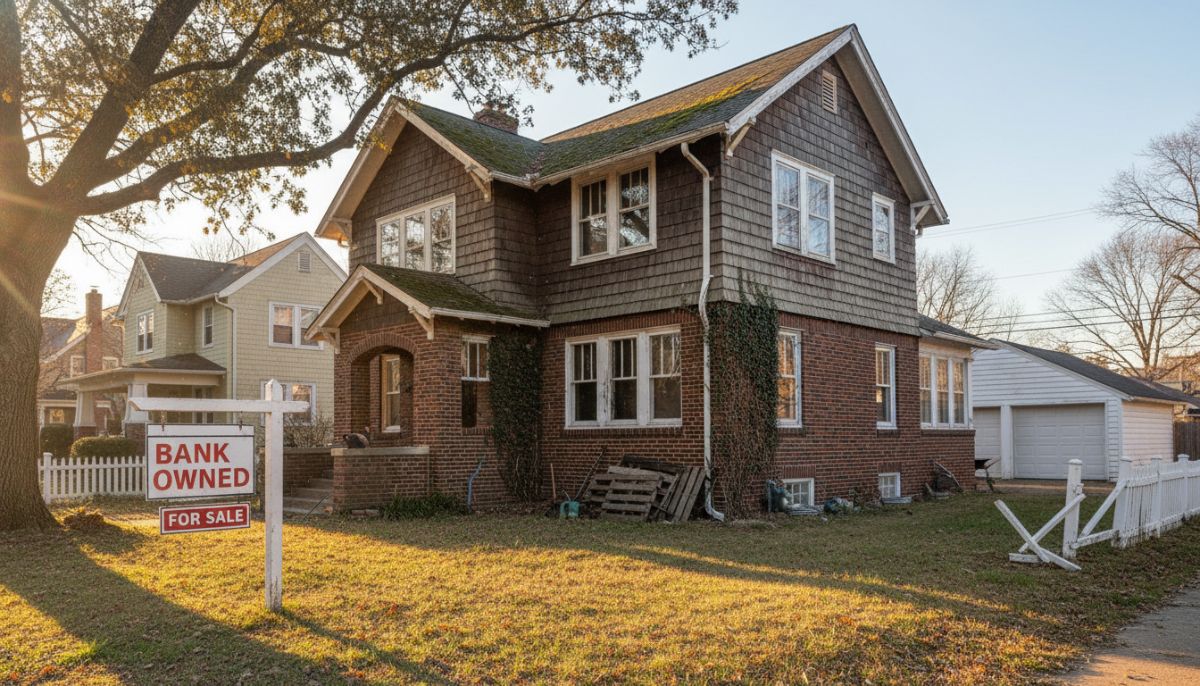
If the property doesn’t sell at auction, the bank takes ownership. These are called REO properties. Banks are not in the business of managing real estate, so they are often highly motivated to sell these assets through traditional real estate agents to get them off their books.
How to Effectively Search for Foreclosures Near You
Finding the right property requires more than a simple Google search. You need to look where the pros look.
Utilize Specialized Online Portals
While sites like Zillow and Redfin have “Foreclosure” filters, they aren’t always up-to-date. Dedicated sites like Foreclosure.com or RealtyTrac provide deeper insights into the status of a property, including tax liens and historical data.
Check Local Government Resources
Your local County Clerk or Sheriff’s office is a goldmine. Most counties maintain a list of upcoming foreclosure auctions. It’s a bit old-school, but checking the public notices in local newspapers can also reveal upcoming sales that haven’t hit the major websites yet.
Connect with REO Agents
Some real estate agents specialize specifically in bank-owned properties. These “REO agents” have direct lines to the asset managers at large banks. By building a relationship with them, you might get a heads-up on a listing before it officially hits the MLS (Multiple Listing Service).
Evaluating the Property: The Due Diligence Checklist
This is where most novice buyers get into trouble. A low price tag can be deceptive if the house requires $100,000 in structural repairs. Because many foreclosed homes have been abandoned or poorly maintained, your evaluation must be rigorous.
The ‘As-Is’ Reality
Most foreclosures are sold “as-is.” This means the bank will not fix a leaky roof, replace a broken HVAC system, or remediate mold. You are buying the house with all its flaws. If you are buying an REO property, you can usually get an inspection done. If you are buying at auction, you might be buying blind. Never skip an inspection if the process allows for one.
Title Searches are Non-Negotiable
One of the biggest risks in buying a foreclosure is “clouds on the title.” There may be unpaid property taxes, secondary mortgages, or contractor liens attached to the property. If you buy the house, you might inherit that debt. Always hire a title company to perform a thorough search to ensure the title is “clean.”
Neighborhood Analysis
Don’t just look at the house; look at the street. If a neighborhood has a high density of foreclosures, it could indicate a declining local economy, which might affect your future resale value. Conversely, a single foreclosure in a high-demand, well-maintained neighborhood is a literal goldmine.
Financing Your Foreclosure Purchase
Can you get a mortgage for a foreclosure? The answer is: maybe. If the home is in decent condition, a traditional mortgage might work. However, many foreclosures are in such poor state that they don’t meet the “habitability” standards required by lenders for a conventional loan.
FHA 203(k) Loans
This is a fantastic tool for foreclosure buyers. It allows you to borrow money for both the purchase price and the cost of repairs in a single mortgage. It is designed specifically for “fixer-uppers.”
Hard Money and Cash
In the auction world, cash is king. If you don’t have hundreds of thousands in the bank, you might look into “hard money” lenders—private investors who give short-term, high-interest loans based on the property’s value rather than your credit score. This is common for “fix-and-flip” investors.
The Emotional Aspect: Staying Rational
It is easy to get caught up in a bidding war or to fall in love with a property’s potential while ignoring its current rot. To succeed in the foreclosure market, you must treat it like a business transaction. Set a maximum price based on your budget and the estimated repair costs (always add a 20% buffer for unexpected issues), and if the price goes a dollar over that limit, walk away.
Final Thoughts
Searching for “foreclosures near me” is the first step in a journey that can lead to incredible financial gain or a stressful money pit. By understanding the stages of the process, utilizing the right tools to find properties, and performing relentless due diligence, you position yourself to find the hidden gems in your local market. Whether you are looking for a place to call home or your next investment project, the foreclosure market remains one of the most exciting—and challenging—frontiers in real estate. Proceed with caution, do your homework, and keep your eyes on the long-term value.